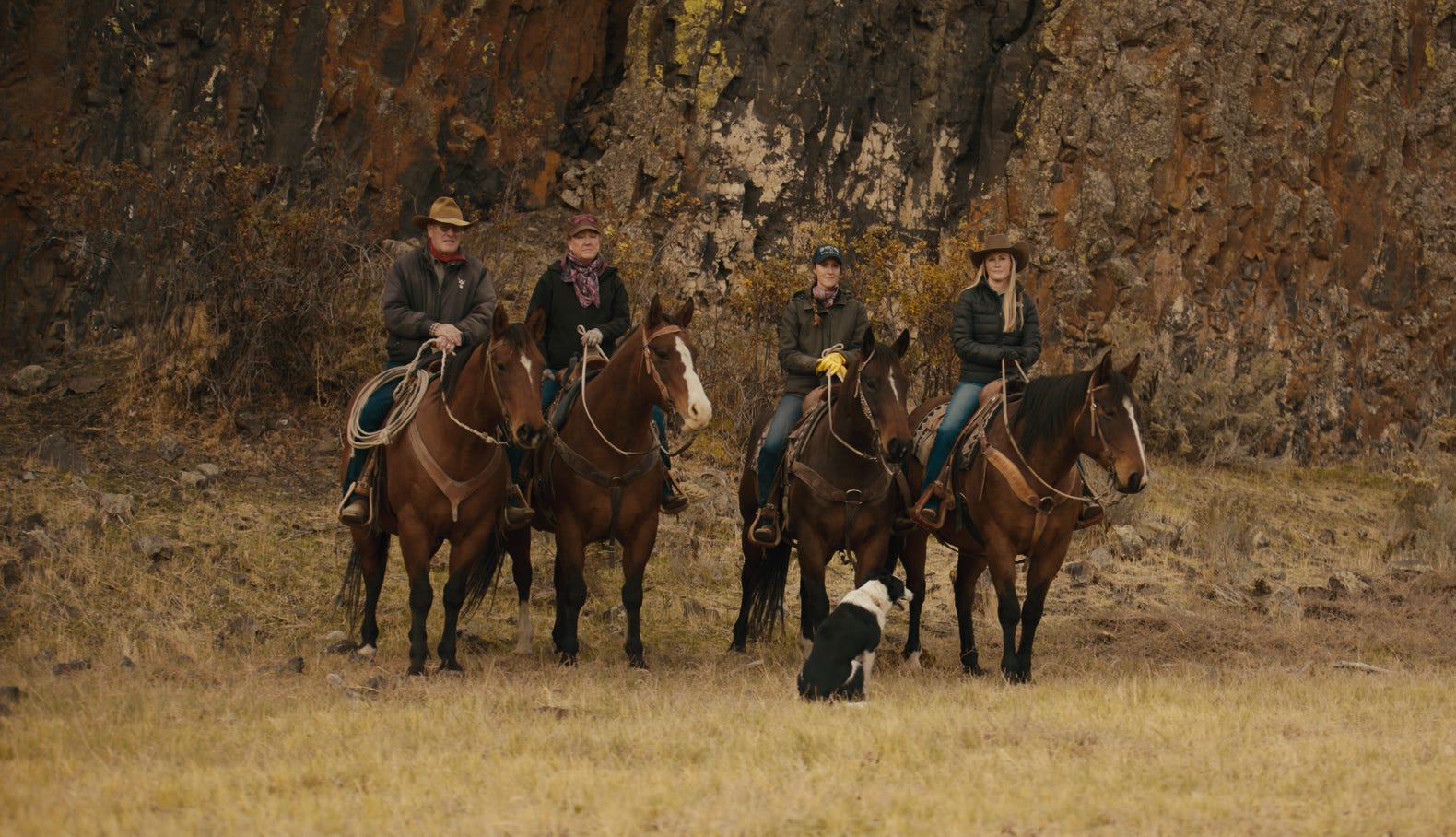
King ranch case shaping into constitutional fight over right to a jury trial
Can unelected bureaucrats force ranchers to pay enormous penalties for "ecological damage" without a jury trial?
The Kings’ battle to save their Washington ranch is shaping into a constitutional fight over the right to a jury trial.
Last year, UNWON reported on state agencies’ accusations that ranchers Wade and Teresa King damaged protected wetlands. The Kings were fined a $267,540 civil penalty. They were then ordered to restore the land to its prior state, bringing total compliance costs to an estimated $3.7 million.
Their case is being heard by the Washington Pollution Control Hearings Board. Whether or not they must pay these crippling fines will be decided by an administrative tribunal.
Members on the board are appointed by the governor and confirmed by the state senate. The Kings say this means the state is effectively judge, jury, and executioner—empowered to prosecute and penalize citizens through a handpicked panel.
In March 2026, the Kings filed a lawsuit alleging they were denied their constitutional right to a trial before a jury of their peers and a neutral judge. They asked for a preliminary injunction, meaning a temporary court order, to stop Washington State from enforcing fines before this issue was settled. Last week, a judge denied their request.
“Today’s denial is disappointing, but Washington’s constitution is unambiguous that the right to a jury trial shall remain inviolate, and we intend to hold the State to that promise,” said Oliver J. Dunford, senior attorney at Pacific Legal Foundation. “The Kings have spent generations building their ranch. They deserve to have their day in court before a jury of their peers, not a panel of government appointees.”
Pacific Legal Foundation is representing the King family. They proceed to a full merits hearing on May 21.
The Kings have always denied any wrongdoing in the accusations against them. These are not wetlands, they argue, but stock watering ponds. Both state and federal law protect the right to maintain watering holes for cattle. Their attorney, Toni Meacham, says ranchers are allowed to dig stock ponds without permits under RCW 90.44.050. Moreover, the Kings say they have gathered over 1,500 pages of documentation that they own water and stockwater rights on their ranch and leased pasture.
What it would mean for the Kings to restore what they describe as small dugouts for water into “wetlands” remains ambiguous.
“These are not wetlands. How can you restore non-wetlands into wetlands?” said Wade King in an interview with Tri-State Livestock News.
“We’ve tried to get an understanding of what restoration might like from our team of experts. One of the things we’d have to do is set up some kind of drip irrigation system to keep ‘wetland plants’ alive. They are talking about continually hauling water to create a wetland where there isn’t one.”
The case has received national attention. It could set a dangerous precedent for other ranchers who may be penalized for so-called ecological damage just for ensuring their watering holes are accessible to livestock.
Secretary of Agriculture Brooke Rollins has publicly supported the Kings and even threatened to withhold federal funding from the state of Washington over the issue. She invited the Kings to USDA headquarters in D.C. last month, highlighting their case as an example of government weaponization and lawfare against producers.