UPDATE: FERC extends deadline for comments on Potter Valley Project fate to Dec 19
Requests for more time came from the Dept. of Interior, Forest Service, Lake County, Rep. Doug LaMalfa, America First Policy Institute, and private citizens.

The Federal Energy Regulatory Commission (FERC) has extended the deadline to submit comments on the Potter Valley Project decision. The public now has until December 19.
Several groups filed to request more time, including the Department of Interior (DOI), the U.S. Forest Service (USFS), Lake County in California, the America First Policy Institute (AFPI), and Congressman Doug LaMalfa (R-California), as well as a number of private citizens.
“We are grateful that FERC heard our concerns and those of California farmers,” says Tate Bennett, Director of Rural Policy at the America First Policy Institute. “The administration has worked to strengthen California’s strained water supply, and this comment period extension reflects just that. Now, it is imperative that FERC consider all feedback from the rural communities impacted by the possible discontinuation of these dams.”
Carlos Clay, deputy secretary at FERC, cites the recent government shutdown among reasons for the extension. The deadline had been December 1.


FERC’s decision could determine the fate of the 100 year-old hydroelectric project, which supplies 600,000 Northern California residents with water. This July, Pacific Gas & Electric (PG&E) filed their formal surrender application asking FERC to let the company move ahead with dam demolition.
As of Wednesday, 1230 comments have been filed related to the Potter Valley Project. Grassroots groups in Mendocino and Sonoma counties are hosting community workshops and letter-writing events.
“We’ve made it simple and convenient for people to meet at our events and get the help they need to write and submit letters,” says Angle Slater, a community organizer and registered nurse who lives near Lake Pillsbury. “We do our best to educate the public on what is at stake.”
Pro-dam removal environmental groups are also agitating for comments from their bases.
“After 100+ years of blocking salmon from their habitat, Scott and Cape Horn dams are coming down,” states California Trout in a November 30 Facebook post. “Your voice today helps determine how quickly this happens.”

New Trump-appointed chairman takes reins at FERC
The fate of the Potter Valley Project comes early in the tenure of FERC chairman Laura Swett, appointed by President Trump. The Senate confirmed her nomination on October 7.
“I am honored to serve as Chairman of FERC and grateful for President Trump’s confidence in me to advance America’s energy priorities at such a critical moment in our Nation’s history,” Swett said. “I look forward to working with my colleagues and FERC’s excellent staff to continue the Commission’s crucial mission of ensuring reliable and affordable energy for all consumers.”
Swett is an energy attorney with a history of representing pipelines and power companies. She has previously worked as an advisor and lawyer for FERC.
Five commissioners serve at FERC; three Republicans and two Democrats.
Parallels to 2025 decision in American Whitewater v. FERC
The Potter Valley case has parallels to a recent FERC decision affirmed by a federal appellate court in which the owners of a small hydro project on the Salmon Falls River surrendered their FERC license but kept dams in place.
American Whitewater, an activist conservation group, objected, arguing FERC should require dam demolition for recreational river use and fish passage. The court rejected their claim in a January 2025 decision, affirming FERC can approve license surrender without dam removal, can weigh community interests such as water supply in decisions, and does not have to choose the most environmentally conscious outcome.
History of the Potter Valley Project
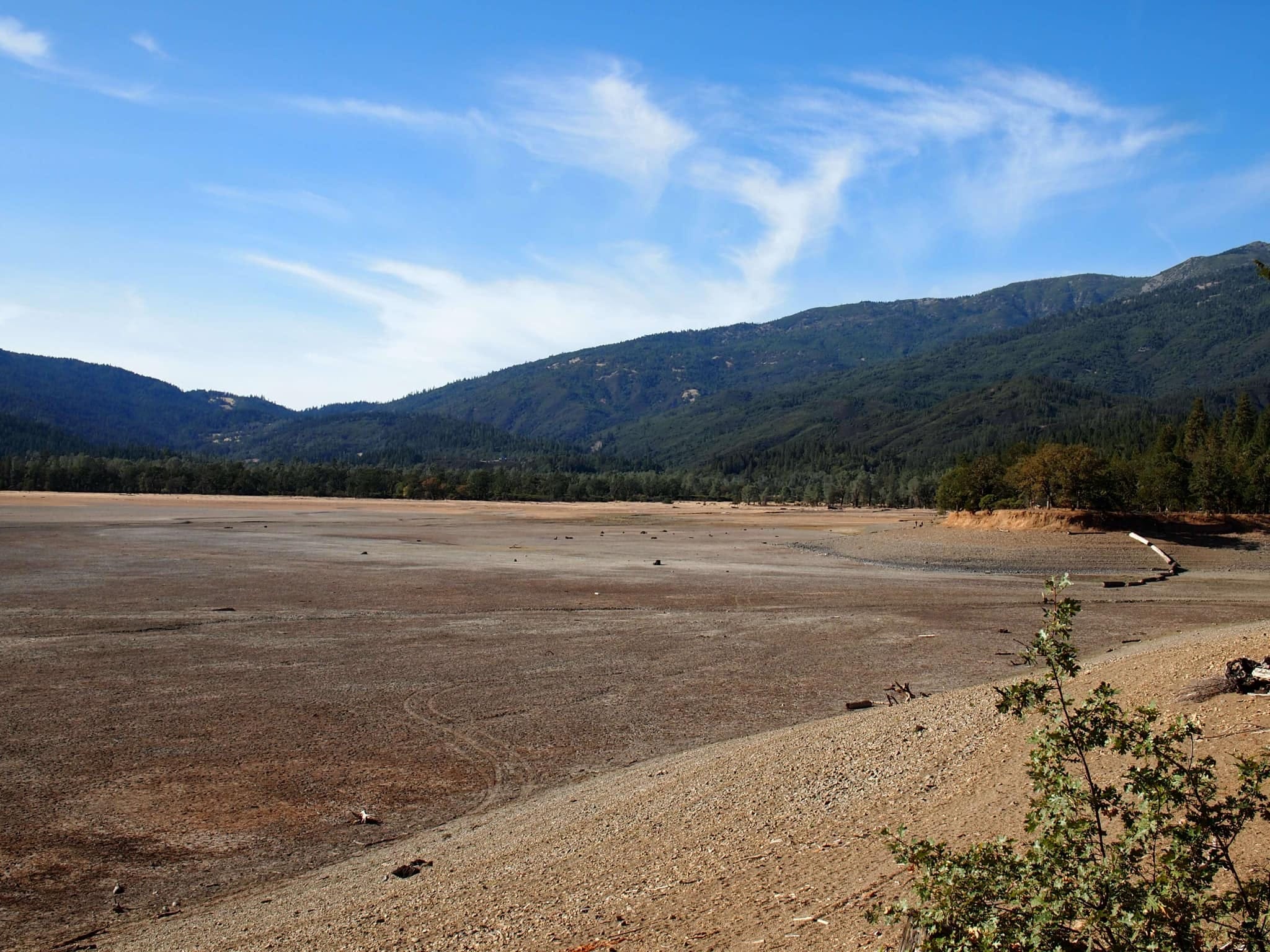
The Potter Valley Project was built to provide hydropower for Northern California residents, but it also became essential for water storage and supply. Lake Pillsbury, formed by Scott Dam, stores less than 1% of the flow of the Eel River during the wet winter season. This water, which would otherwise be flushed out to the Pacific Ocean, is then used for summer flows during dry season to both the Eel and Russian River watersheds, supplying over 600,000 residents including many agricultural operations.
Video taken November 27, after 8 inches of rain, by local farmer Dan Thornton gives a glimpse into the future flow into the Russian River after dam removal.
The Snow Mountain Water & Power company sold the project to PG&E in 1930. After a number of expensive lawsuits over alleged fish impact from environmental groups like Cal Trout, PG&E announced its intention to surrender the project in 2021. Their surrender plan includes a full demolition of both Scott Dam and Cape Horn Dam. Ratepayers will cover the cost of removal.
PG&E, which is regulated by the state, recently announced record profits for its second straight year, clearing $2.47 billion in 2024. The company, which charges some of the highest energy bills in the nation, is a major donor of Governor Gavin Newsom, who has publicly taken credit for the Potter Valley dam removals as part of his “salmon strategy.”
PG&E equipment was responsible for multiple deadly fires in recent years, including two of the three largest fires in state history, both of which started in Potter Valley and were finally extinguished with water from the Potter Valley Project.
Read more:
PG&E asks feds to make water cuts on Potter Valley farmers & ranchers permanent
Pacific Gas & Electric (PG&E) has asked the federal government to formalize agricultural water cuts in Potter Valley. Back in August, these restrictions blindsided farmers and ranchers who were in the middle of harvest and on the cusp of fire season.
BREAKING: California to Spend $500 Million to DESTROY Century-Old Dam, End Water Supply for 600,000 Citizens in Fire-Prone Region
The Potter Valley Project is a 100-year old Northern California dam system that provides water for 600,000 residents from Potter Valley to Novato. In a story the media has completely overlooked, this critical water infrastructure is slated for destruction under Gavin Newsom’s administration.


Wow. So California is going full 1700s. No damns, no coal power plants, no gas plants, no nuclear.
They are going to send water that could be used to fight fires and irrigate crops back into the ocean to save a fish.
After a hundred years of that river not flowing, it's now to going to overflow and put land underwater. That's going to effect crop production, it's going to effect fire fighting, and it's going to take more water away from the cities.
Is California trying to burn down? Because it seems to this farmer like they are.