


In 1996, a Forest Service ranger told cattle rancher Frances Goss: “When you go down, the rest will go down like dominoes.”
It was a threat not only to her family, but to the whole ranching community in Otero County, New Mexico.
Frances would later remind him of his words in a moment caught on grainy home video.
“Let’s get it plain, that we’re not the exception, we’re the beginning. You guys have said it out of your own mouth.”
“I said it,” the ranger replies.
Not long after, the government fenced off her family’s water sources to protect endangered species habitat, destroying their ability to run cattle and triggering a Fifth Amendment takings battle.
Frances and her husband Jimmy would not live to see its resolution. Three decades later, their son Justin “Spike” Goss and his wife Kelly are still waiting for justice, the ranch is bleeding money, and time is running out.
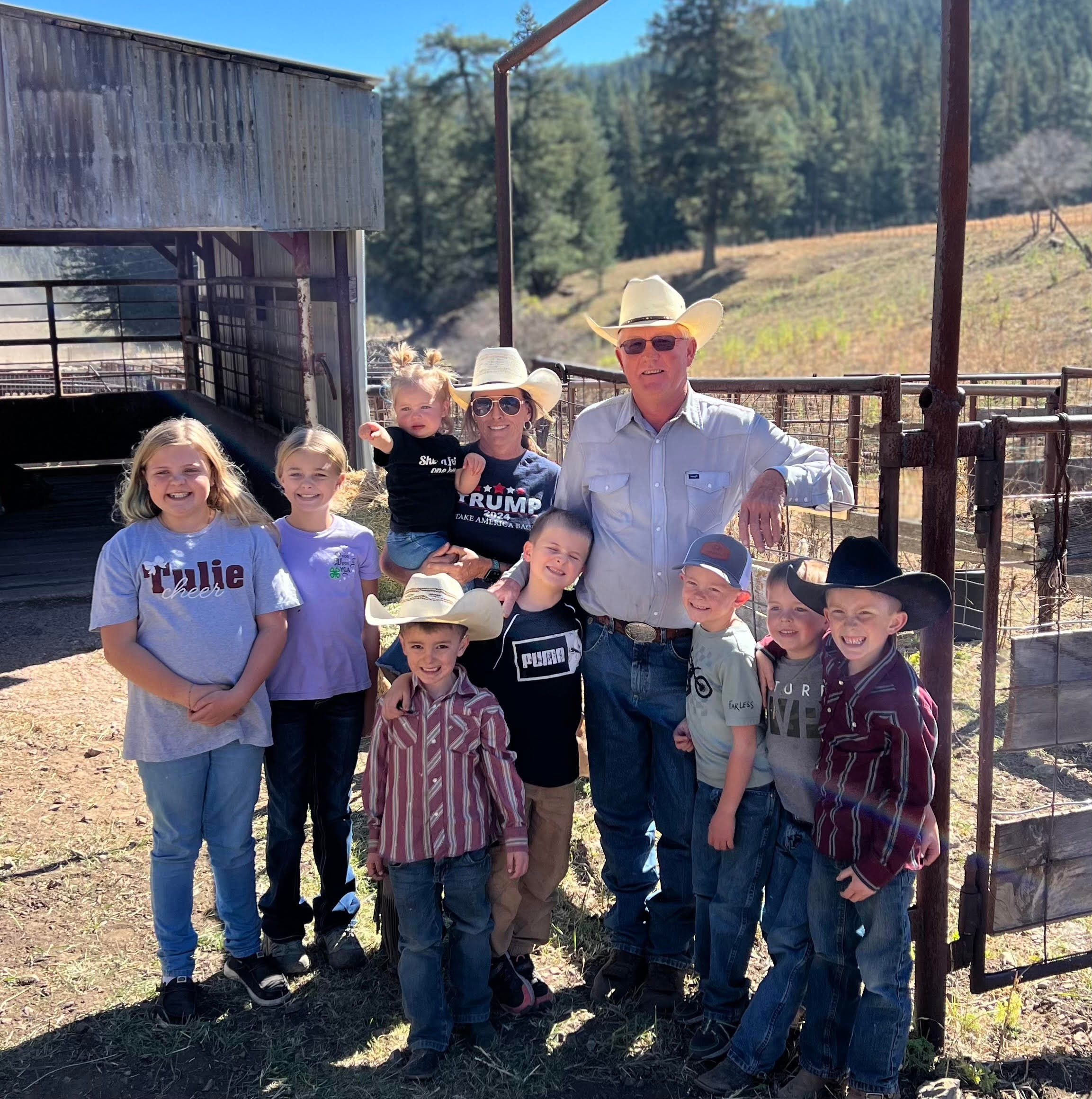
“This is not about protecting species. It’s about driving us off the land.”
Spike bought the Sacramento Grazing Association (SGA) in 1989. The ranch grazes one of the largest allotments in the region under a permit from the U.S. Forest Service. The Gosses own the water rights, but the government owns the land.
The Endangered Species Act (ESA) is putting them out of business.
“We supposedly have four endangered species on our allotment, including a mouse and a thistle,” Kelly Goss says. “The Forest Service uses them as a pretext to impose unrealistic and impossible terms and conditions on us. This is not about protecting species. It’s about driving us off the land.”
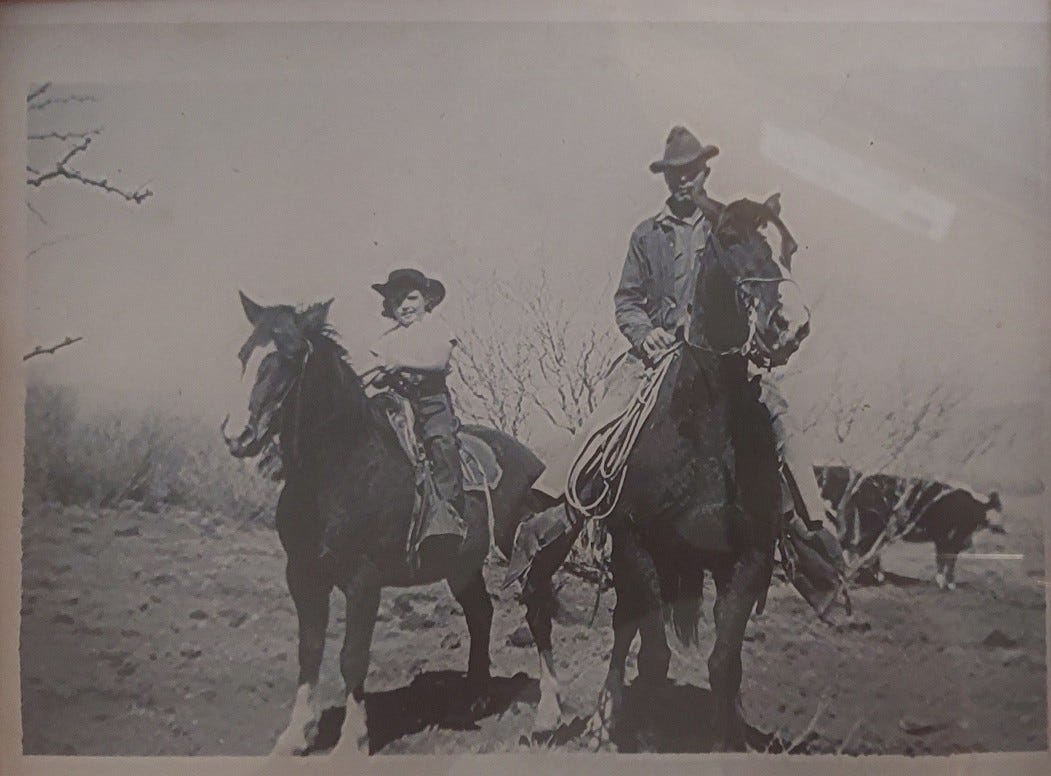
The Goss family’s 127,000-acre grazing allotment once carried over 1,300 head of cattle. They are now down to just 150 cattle, and their herd may be slashed again.
Frances and Jimmy, former partners in the ranch, endured decades of legal battles. Watching the slow death of their dream broke them. They had already lost one business to ESA regulations: their sawmill, shuttered after spotted owl protections made operations impossible.
“This ongoing struggle has become death by a thousand cuts,” she says. “What was once a dream to build something lasting for future generations has turned into a nightmare. We now question whether we can or want to even pass this ranch on to our children, given what the federal government has done to us.”


Goss family claims Fifth Amendment violation
In the mid-1990s, The Center for Biological Diversity sued the government, claiming the Gosses’ cattle were harming species protected by the ESA. In response, the Forest Service fenced off seven vital ranch water sources to protect the Sacramento Mountain Thistle.
There have been numerous lawsuits since. Every time, the government puts the burden on the Gosses. In 2014, more springs were fenced off to preserve New Mexico Jumping Mouse habitat.
The family sued the government in 2004, claiming their Fifth Amendment rights have been violated. Private property must not “be taken for public use, without just compensation.” They claim to have suffered millions in lost cattle sales and water use.
“We just want some peace,” Goss says. “We want this to not happen to other people.”
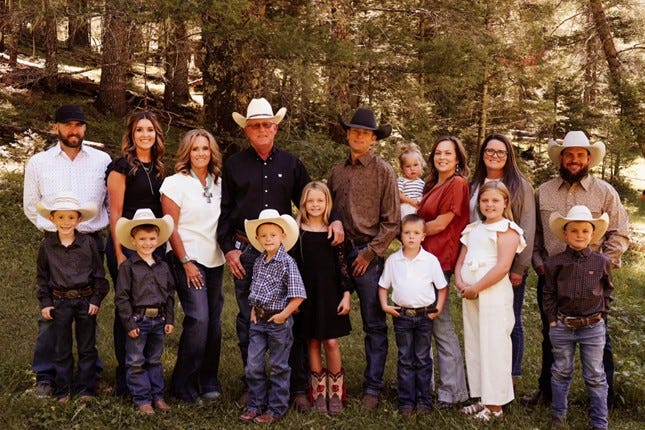
Protecting vulnerable species, or killing American industry?
The ESA was passed in 1973 to give federal protection to plants and animals identified as vulnerable. Many ranchers feel the law is being misused, wielded as a cudgel to cripple independent farm and ranch operations with onerous regulations.
“Some people think the ESA carries more weight than the Constitution,” Goss says. “They’re weaponizing it to take down the agricultural industry.”
R.B. Nichol is the attorney for Otero County. He represents the county in the federal government’s land management decisions. He claims there are no New Mexico Jumping Mice present on the Gosses’ allotment.
“According to some past legal opinions, even if a species is not present but may have been present at one time, the land must still be protected as their habitat,” Nichols says. “What’s going on here defies logic and reasoning.”
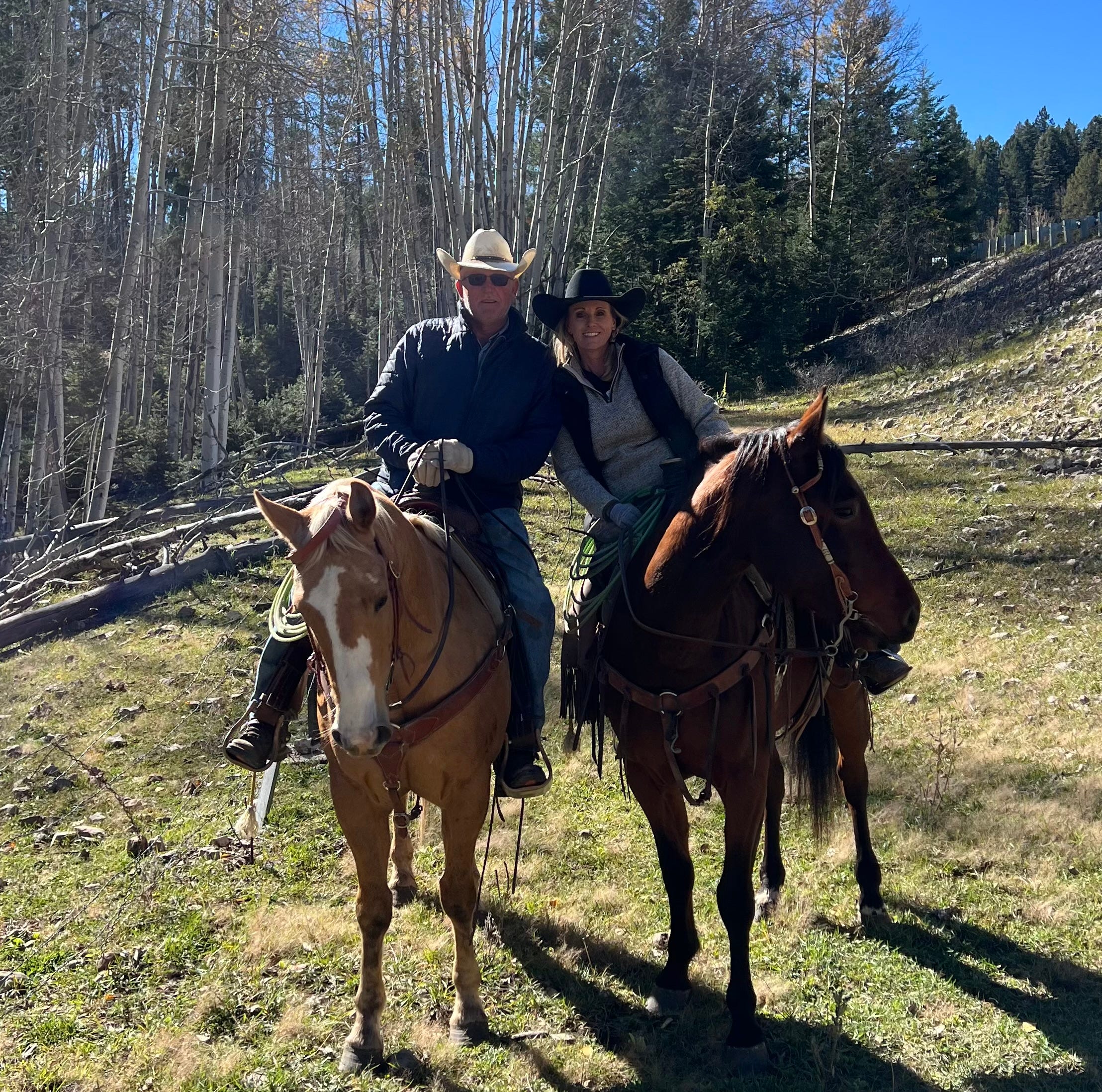
Ranchers say NGOs driving enforcement
ESA lawsuits involving producers are not uncommon. They pit regular ranching families against green non-profits with attorneys on staff and endless spigots of donor money. While ranchers have cattle to feed and bills to pay, organizations like The Center for Biological Diversity exist to conduct legal activism.
To make matters worse, Goss believes the government is on their side.
“If they can string out our lawsuit for 20 years, why can’t they do that to these non-profits when they sue?” she says. “The Forest Service is supposed to be advocating for grazing and pushing back on these NGOs and they don’t. They’re complicit.”
Because federal law protects grazing, officials have little power to get ranchers off public land. But NGOs are free to sue the government over the ranchers using laws like the ESA, and the government can use these lawsuits as an excuse to regulate ranchers out of business.
Goss believes that’s exactly what’s happening. She thinks the government is secretly sympathetic with extremist environmental groups, and determined to get ranchers off the land.
“We’re fighting our own government,” she says. “They use our tax dollars to fight us. The American people are paying for a war on ranching.”


Nichols, who also grew up farming and ranching in Otero County, has witnessed a similar trend. More and more, he says, government agencies are staffed by people whose ideologies and interests align with environmentalist groups rather than blue-collar American industries.
“For a bureaucrat whose job is pretty much guaranteed, reducing cattle numbers is not something they have to be concerned about,” Nichols says. “It won’t affect them until we don’t have any beef left. The ESA is taking precedence over individual and private property rights.”
Lincoln National Forest Supervisor Jason Freeman said he is not able to provide comment on this case as it is in active litigation. He offered the following statement:
“The Lincoln National Forest remains committed to working with our permittees and supporting the rural communities that rely on these landscapes. We continue to collaborate with producers to sustain healthy rangelands and uphold all applicable federal laws, including the Endangered Species Act. This work aligns with the U.S. Department of Agriculture and U.S. Department of the Interior Grazing Action Plan, which focuses on expanding access, reducing barriers, modernizing processes and elevating producer perspectives.”
Freeman referred UNWON to the Department of Justice (DOJ). The DOJ declined to comment.
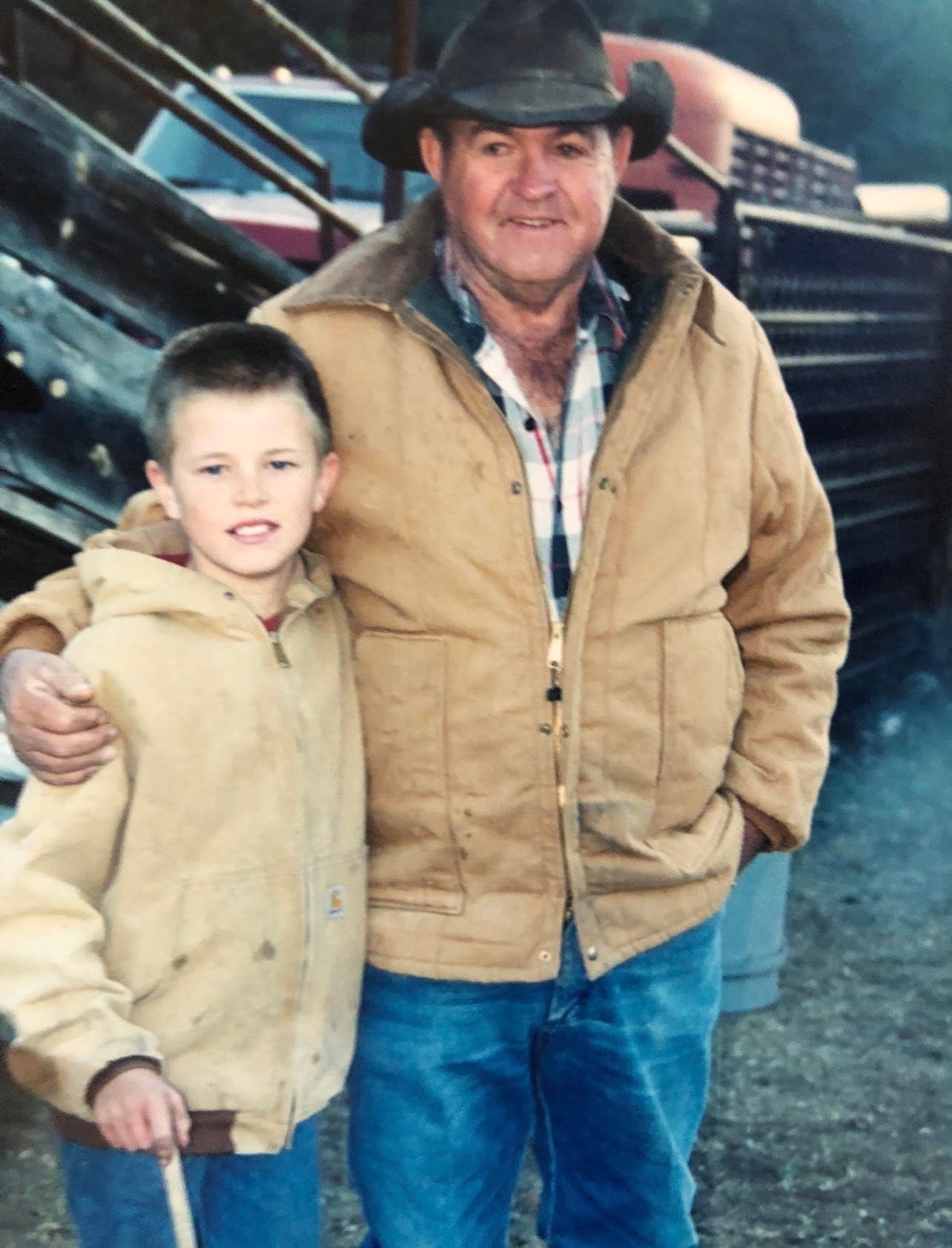
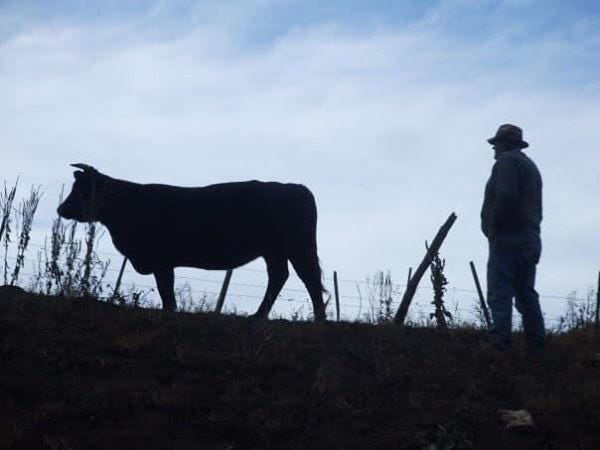
Managing ranchers instead of wildlife
Adding credence to the Gosses’ theory of government bias against ranchers, the Forest Service fails to manage other large grazers on critical habitat.
“If these people really cared about endangered species, they would manage the out-of-control elk population,” Goss says. “We get blamed for over-utilization, but it’s a multi-ungulate system where they only manage cattle, and that is not justifiable. We ranchers bear the burden.”
The state claims there are between 7,000-8,000 Rocky Mountain elk in the area, but local ranchers say the real number is closer to 10,000-15,000. When introduced, the elk, which are not native, were supposed to be capped at 1,000.
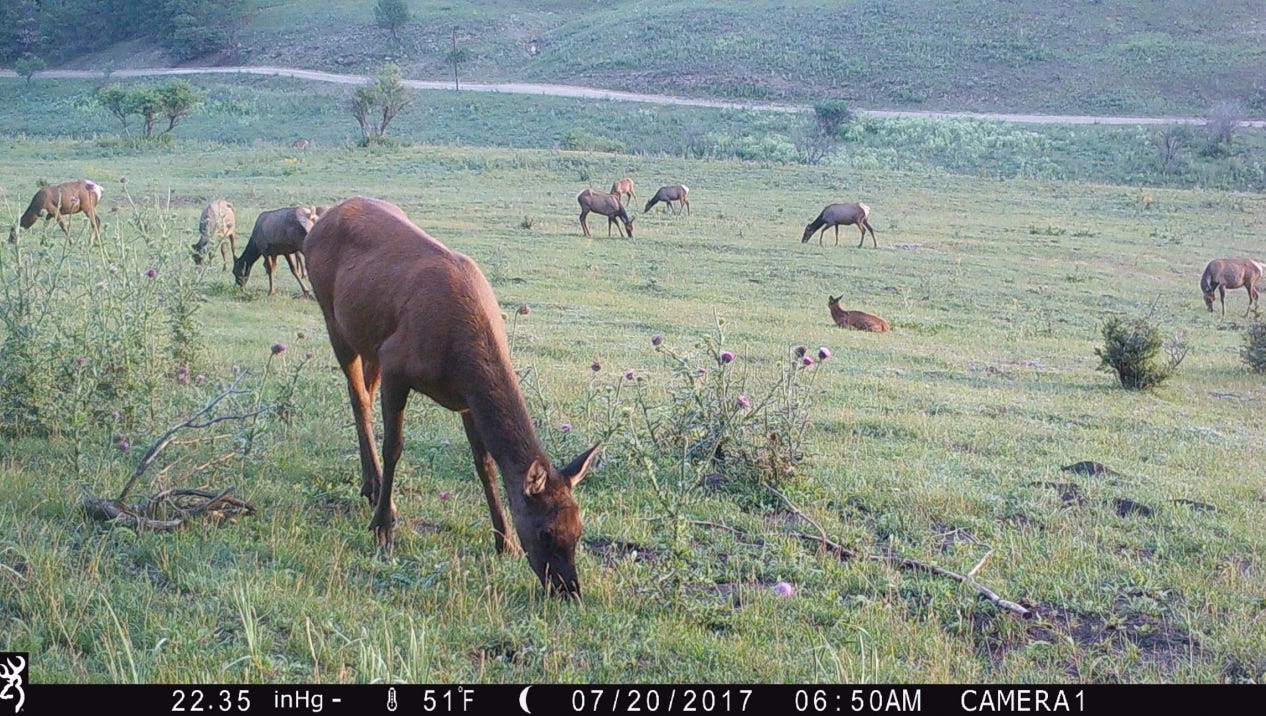
According to the Range Improvement Task Force at New Mexico State, cattle are only grazing 2-3% of the 70-80% total forage utilization reported by the Forest Service.
This is nothing new: a 2002 USDA letter to the family acknowledged “elk had a significant impact on the forage use levels and leaf length measurements in key areas on the Sacramento Allotment.”
Filings in the latest Center for Biological Diversity lawsuit show the Forest Service admitting grazing pressures stem from “elk and feral horses, which are highly prevalent on the Sacramento Allotment.” In one pasture, forage use rose roughly 35% after cattle were removed, pointing to a combination of “climatic conditions and the presence of other grazers” like elk.
30-year wait for justice
The Gosses did not get a court ruling on their 2004 lawsuit until 2017. A judge found the actions of the Forest Service did indeed violate the Fifth Amendment.
“We thought that was progress, but it was just the beginning,” Goss says.
During the damages phase, that judge retired. The DOJ seized the opportunity to file a motion to dismiss.
A new judge stepped in and dismissed the Goss family’s water rights altogether, claiming a water license granted to the family by the state engineer was not valid.
The Gosses then obtained a title judgment to affirm their water rights under the Mining Act of 1866 and New Mexico state law. The land was homesteaded, and a chain of title search shows how ranchers passed those water rights down. When Spike purchased the SGA in 1989, he also obtained water rights.
In September 2024, a new trial began in the U.S. Court of Federal Claims to make a final decision on water rights and the family’s Fifth Amendment claims.
The Goss family is still awaiting a ruling. Even if it’s favorable, they are afraid the case will wind up in appellate court.
In the meantime, they face more cuts. In what feels like an all-out war on their ranch, the family learned in February they will be forced to install virtual fencing, estimated to cost over $125,000, or lose more cattle. The family says they don’t have the funds.
“We are at our wits’ end,” Spike Goss says. “How can 150 head of cattle overgraze a 200-section ranch? It is just not possible.”
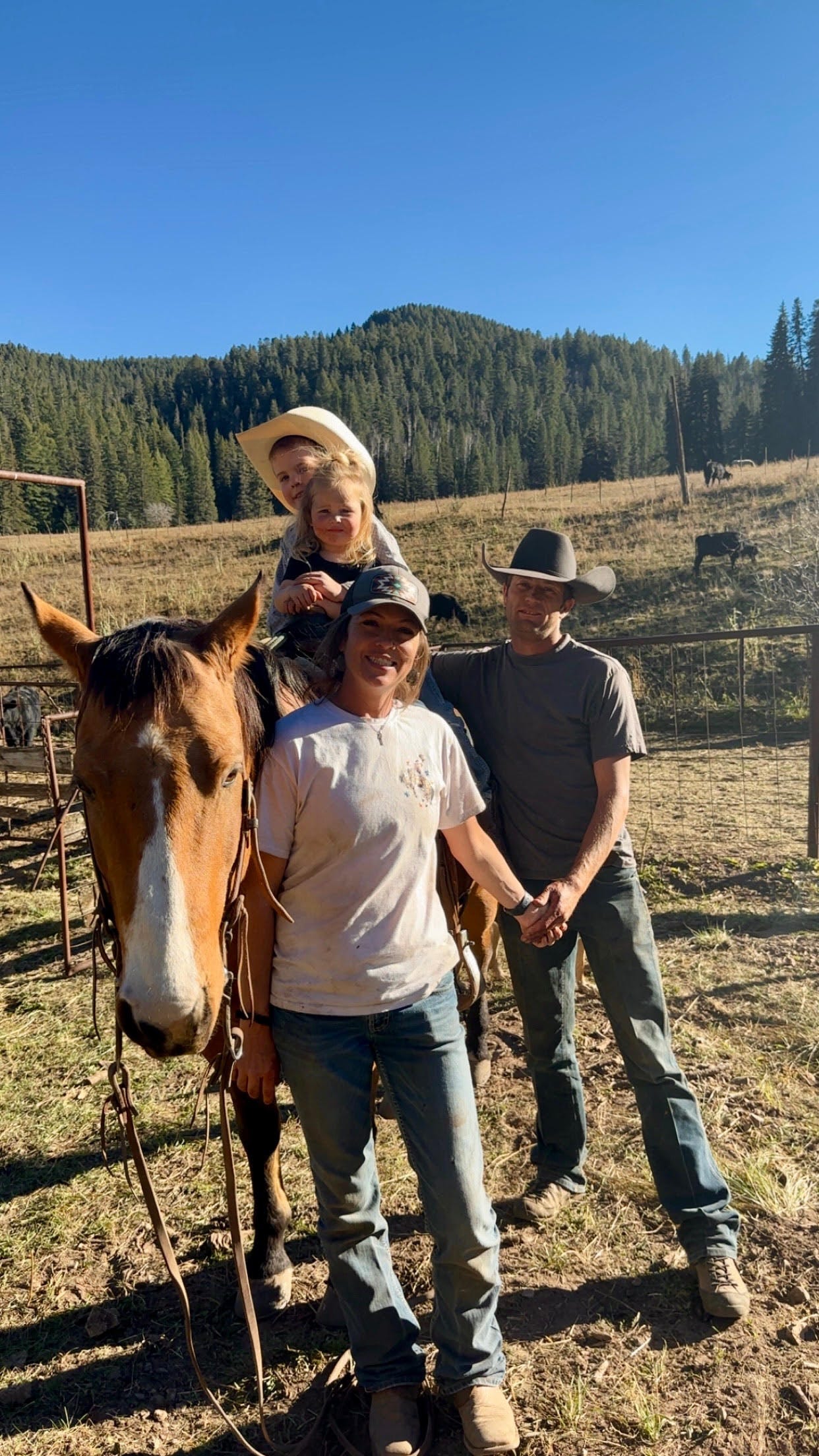
Otero County, New Mexico fears for future of ranching
Nichols says the Goss family is liked and respected by their community. They don’t have trouble with anyone. Their neighbors view the Forest Service’s actions as foreshadowing larger goals for the region.
“Scientists on the Range Improvement Task Force at New Mexico State found that the impact of 15 cattle is less than 0.5% in terms of forage consumption,” Nichols says. “That’s not much, but to a ranch that is barely surviving, it can be the difference between staying in the black and being in the red.”
Beyond the financial impact, watching their cattle suffer has been emotionally devastating.
“It’s animal abuse,” Goss says. “Water is right there, the cattle can see it and smell it, but they have to walk miles to find water they can drink? That’s abuse. Breed-back goes down, weight on calves goes down. There’s a lot of stress.”
Timeline of the Goss family dispute:
1998 – Forest Service begins fencing springs on the Sacramento Allotment to protect endangered species habitat.
2004 – The Goss family files suit against the federal government alleging a Fifth Amendment taking.
2014 – Additional springs fenced to protect the New Mexico Jumping Mouse.
2017 – A federal judge rules the government’s actions violated the Fifth Amendment.
2024 – A new trial begins in the U.S. Court of Federal Claims to determine damages and water rights.
Vickie Marquardt serves as chair of the Otero County Commission. She says the family’s battle is a fight for the survival of American ranching.
“The Endangered Species Act was designed to prevent extinction, but in the hands of federal overreach, it has become a tool for land de-privatization,” she says.
She points out that the ranch’s water systems provide water in the arid New Mexico landscape for wildlife as well as cattle.
“If Spike and Kelly lose their ability to ranch effectively, it sets a dangerous precedent,” Marquardt says. “It signals that federal administrative power can override private property rights and historical land use at whim. The Gosses aren’t asking for a handout, they are asking for the right to continue their legacy without being regulated into oblivion.”
Some Forest Service agents have told Goss in private they hate what is happening to her family, but are afraid of the consequences if they speak out. One told Spike he was going to be reassigned for not being “hard enough” on the Goss family. A few have quit outright over the injustice.
“One agent would cry at our meetings,” Goss says. “She told us, ‘I’m so sorry.’ She finally quit.”
Is the Forest Service putting mice over people?
In addition to monetary damages, Goss hopes their water rights will be reasserted, and that the USDA will allow her family to run a sustainable number of cattle again. She wants the agency to review endangered species protocols and ensure all impacts are subject to the expertise of local experts and grazing specialists rather than the arbitrary whims of a massive agency. Under the current system, she feels no rancher can survive if they get in the crosshairs of the wrong bureaucrat.
“We need a change in the way government works—one that respects the law and puts American families and American workers above special interest groups and unchecked government power,” Goss says.
President Trump’s executive order “Putting People Over Fish” called for an end to bureaucratic bias favoring environmental interests over those of citizens and industry. In her case, Goss says, the Forest Service is putting mice over people. She has reached out to the Trump administration, and hopes they will help.
“If DOGE wants to find misuse of government funds, and taxpayers’ dollars, they don’t need to look any further than the Forest Service and DOJ.”
Endangered way of life
Goss admits the battle has taken a toll. Their cattle operation is becoming untenable. Endless regulations have pushed the family to the brink of bankruptcy.
She carries on for her children and grandchildren, and their endangered way of life.
“We’re fighting for the industry, custom, and culture, our little part of the world that’s feeding America,” she says. Watching her grandchildren gather cattle in the fall breaks her heart. She knows there’s a good chance they won’t be able to carry on the legacy. “The environmentalists will have won.”


Her faith sustains her. She believes there is a divine purpose in her family’s fight.
“The government has tried to break us emotionally and physically, but they can’t break us spiritually,” she says. “The Lord carries us through, we find our joy in Him.”
She hopes bringing attention to her family’s case could lead to endangered species protection reform. Ending decades of ESA overreach would have seismic implications for the ranching world and beyond.
“If you eat beef, this matters to you,” she says. “They’re coming for us now, but they’re coming for other industries next. They’re coming for the hunters, they’re coming for the recreationists. If you like to go out and enjoy the National Forest, go hiking or camping, eventually these environmental groups want everybody off.”
The Endangered Species Act is a perfect example of the Law of Unintended Consequences.
Congress never intended it to be used to stop projects and put people who work the land out of business. It has been turned into a weapon - a very effective weapon - to lock up public land and lock out any use thereof.
The ESA must be (at a minimum) defanged if we are to remain a free people.
How do we fix this. I know - drain the swamp. But this abuse of the ESA and forest service. How can we help these ranchers?