



The Endangered Species Act just got its biggest rewrite in decades, and the whole thing turns on a single word: “harm.” In this episode of Ranch Beat, I walk through what the change actually does and why both sides think the fight is only starting. Watch or listen above, or read the full report below.
On Friday, the Trump administration announced the single most significant Endangered Species Act (ESA) reform in decades: the federal government will no longer interpret habitat modification as “harm” to endangered species.
It marks a seismic change in the way the ESA is enforced that could reshape everything from ranching and logging to commercial fishing, homebuilding, water management, and energy development. Supporters say the move will end decades of overreach and a habitat mitigation micro-economy built around regulatory compliance.
The Trump administration says this restores the original meaning of the ESA, in compliance with the Supreme Court’s decision to end Chevron deference—the legal precedent that once allowed unelected officials to develop rules based on their interpretations of laws passed by Congress.
The heart of the dispute
The debate centers around the meaning of the word “harm” in the text of the ESA. The ESA, passed in 1973, outlaws “take” of endangered plants and animals. It defines “take” as to “harass, harm, pursue, hunt, shoot, wound, kill, trap, capture, or collect, or to attempt to engage in any such conduct.”
In 1981, government agencies expanded on the word “harm” to include any meaningful impact to a listed species’ habitat. This allowed the government enormous power over any industry and land uses they deemed impactful to those habitats.
Trump’s Commerce and Interior Departments now say this interpretation is too broad—“harm” only means affirmative acts that do direct damage to a listed plant or animal.
Interior Secretary Doug Burgum says the old interpretation was weaponized against industries and private property rights.
“For years, federal agencies abused the ESA to obstruct lawful land use and burden American families and businesses,” said Burgum in a news release. “This action restores common sense, respects private property, provides much-needed certainty for landowners and follows the statute Congress actually passed.”
The U.S. Fish & Wildlife Service (FWS) and National Marine Fisheries Service (NMFS) first proposed getting rid of the old definition in April 2025, opening a public comment period that drew thousands of responses from environmental organizations, industry groups, states, and private citizens. On Friday, the agencies finalized that rule, largely as proposed, clearing the way for it to take effect after publication in the Federal Register unless blocked by a court. Rather than write a narrower definition of “harm,” the agencies are deleting the 1981 regulatory definition altogether—letting the original statute stand alone.
Analysts estimate annual savings up to $521 million
This reform is in keeping with Trump’s larger vision for deregulation and cutting red tape.
Officials say the move will not just unshackle industry and restore private property rights, it will cut costs. An entire cottage industry has grown around the 1981 definition of harm: a roughly $10 billion habitat-restoration economy supporting more than 53,000 jobs.
Until now, private landowners, developers, timber operators, and other producers needed an incidental take permit (ITP) before initiating activities that could impact a protected species. To obtain such a permit, they had to submit a formal plan for mitigating habitat impact, called a Habitat Conservation Plan (HCP).
By ending the era of broad habitat protection under the ESA, officials estimate annual savings of between $361.3 million and $521 million.
Environmental groups like Earthjustice are already vowing to sue.
“For the first time ever, a presidential administration now claims that species protected by the Endangered Species Act shouldn’t be safe from habitat modification that destroys where they live, raise their young, or search for food,” said Earthjustice attorney Kristen Boyles. “Let’s be clear: there is no support for the Trump administration’s rule—no scientific support, no legal support, no public support. We will see the Trump administration in court.”
But property rights and industry advocates see this as freeing citizens from subjective enforcement and overregulation.
During the comment period, as the Trump administration considered this regulation change, a coalition of more than 40 agriculture and property groups including the California Farm Bureau, Family Farm Alliance, National Milk Producers Federation, and Western Growers Association, filed a formal letter urging officials to drop the old definition.
They argued federal agencies had used it to impose regulatory burdens based on “subjective preferences for the ecosystem rather than known consequences to individual members of a species.”
“To be clear, we live and work in the West, and we embrace our natural heritage. However, species recovery and economic prosperity do not have to be mutually exclusive,” the coalition wrote.
They argue the change will make ESA enforcement more predictable and effective by tying liability to direct injury of protected species instead of subjective judgments about potential habitat impacts.
Impacts to ranching, logging, and energy production
Supporters of the new rule point to decades of high-profile disputes they say illustrate how the broad interpretation of “harm” reached far beyond direct injury to protected animals, influencing many aspects of American life.
Ordinary ranching operations such as grazing, water development, fencing, and brush clearing that modified habitat could count as a prohibited “take” and a violation of federal law. Many ranchers have been forced to obtain ITPs just to continue managing their herds, building expensive HCPs that often involved paying for mitigation or altering long-established grazing practices.
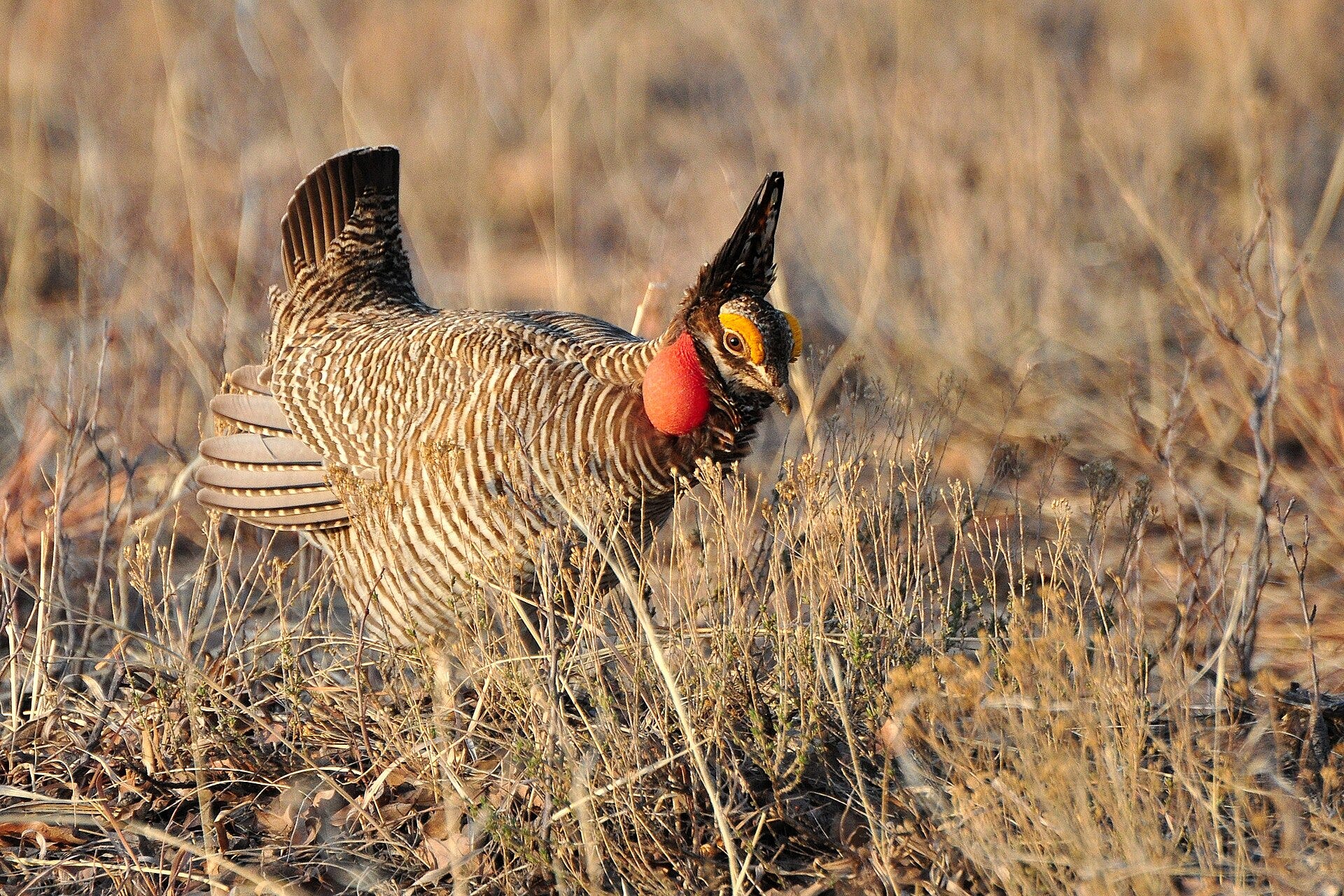
Restrictions around habitat for the lesser-prairie chicken restricted ranching operations and energy projects across New Mexico, Texas, Oklahoma, Kansas, and Colorado for years.
The dunes sagebrush lizard, listed in 2024, blocked energy projects in the Permian Basin.
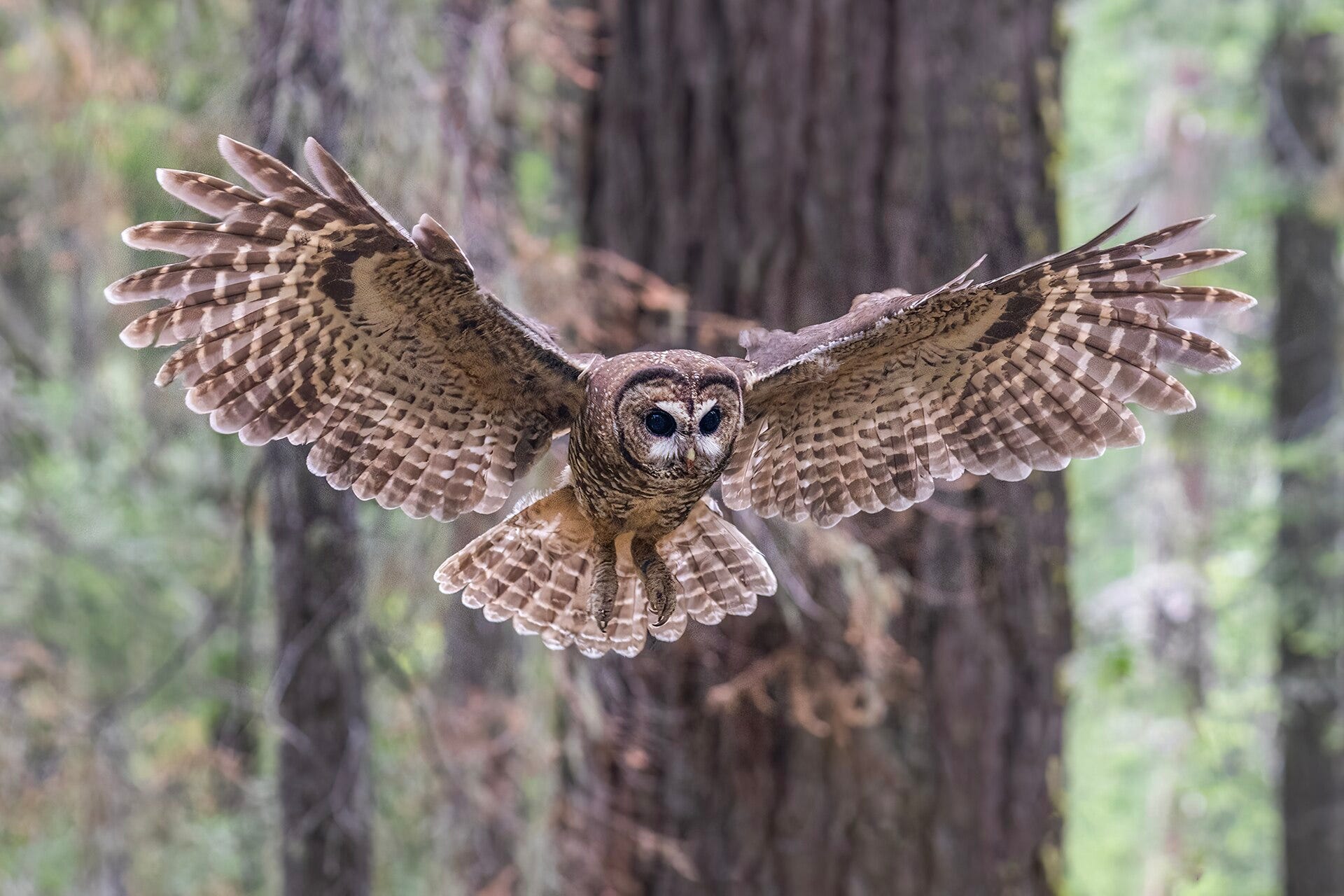
The spotted owl listing devastated logging across the Pacific Northwest and Northern California, reducing timber employment in those regions by between 16,000 and 32,000 jobs according to one 2021 estimate.
Developers have also argued that habitat-based permitting requirements delayed residential construction and infrastructure projects in areas where listed species were present, even when no individual animal was harmed.
Officials cite end of Chevron deference
The 2024 Supreme Court case Loper Bright v. Raimondo brought about the end of so-called “Chevron deference”—a 1984 precedent that allowed government agencies to use best judgement in interpreting ambiguous laws. Post-Loper Bright, courts are no longer required to defer to agency interpretations.
Without Chevron, the Trump administration says the wide-reaching application of “harm” in the ESA is no longer acceptable.
In 1995, the Supreme Court upheld the broad definition of “harm” in Babbitt v. Sweet Home, finding it permissible under Chevron, though not compelled. A legal question remains: Does this decision hold in a post-Chevron landscape?
That question is likely to become central as environmental organizations challenge the Trump administration in federal court.
The new rule is scheduled for publication in the Federal Register Tuesday, July 14, and is subject to a standard 60-day delay.


